Easy Chicken Stir Fry (30 Minutes, One Pan, Allergy-Friendly)
Alright, fam — this one came together on a Tuesday when I had two hungry kids, a block of chicken thighs, and about four vegetables that needed to be used before they staged a protest in the crisper drawer.
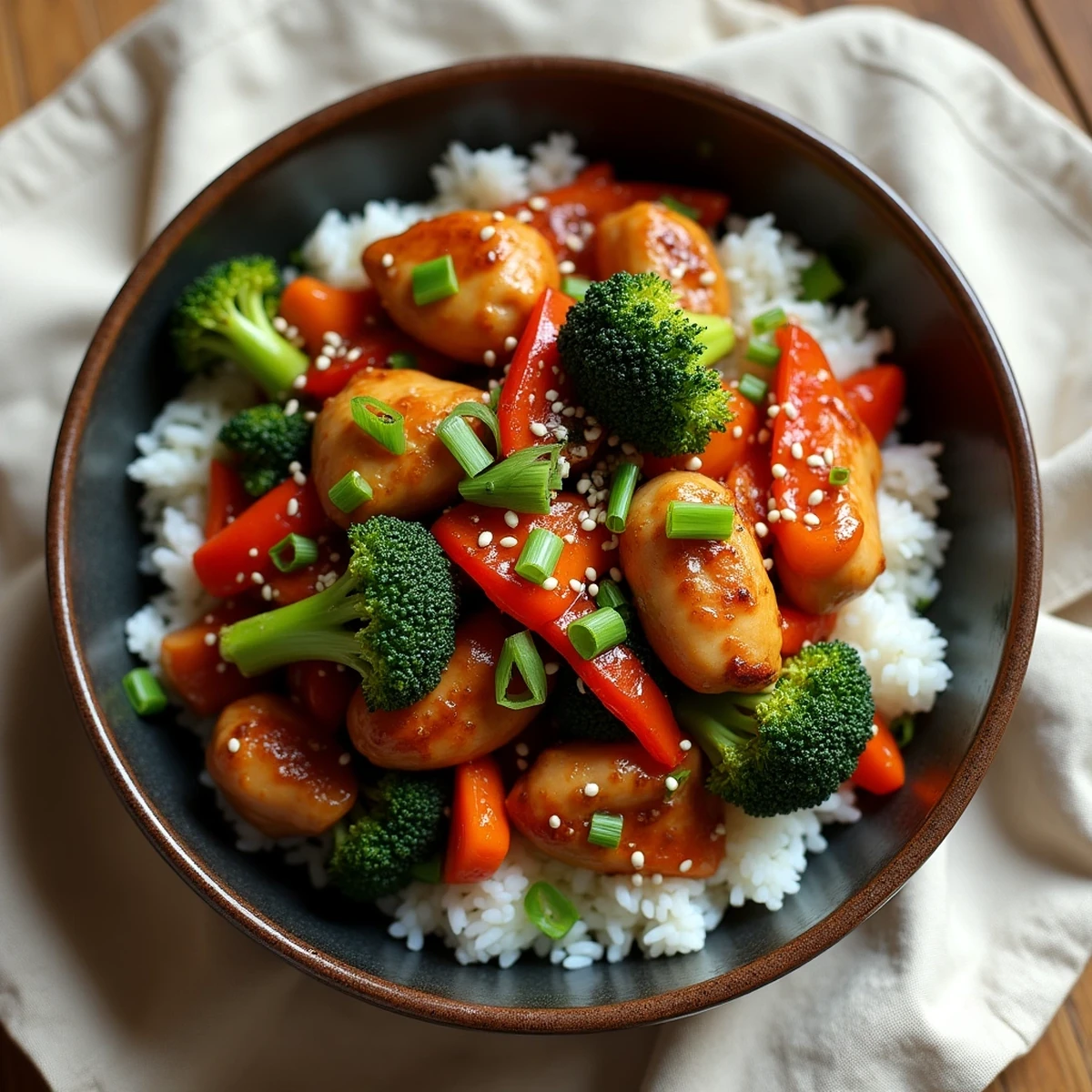
Alright, fam — this one came together on a Tuesday when I had two hungry kids, a block of chicken thighs, and about four vegetables that needed to be used before they staged a protest in the crisper drawer. I’m talking one pan, 30 minutes, and a sauce that I had to stop Rohan from drinking directly from the measuring cup. That’s not exaggeration. That’s a Tuesday in this house.
Now, I know “chicken stir fry” sounds like the most basic thing I could post — and honestly? That’s exactly why I wanted to get it right. Because stir fry is a technique that spans so many Asian cooking traditions. What I’m sharing here draws on the quick, high-heat wok cooking that’s central to Chinese home cooking, adapted for the skillet most of us actually have and the weeknight reality most of us actually live in. I’m crediting where it comes from and I’m not calling it anything other than what it is: a fast, delicious chicken stir fry built on solid technique.
This recipe is gluten-free by default with one easy swap I’ll walk you through, it’s nut-free, and it’s dairy-free — because it was always going to be dairy-free, that’s just how stir fry works. Meera ate it over rice without a single complaint about anything, and Anaya, my resident texture critic, ate around the broccoli but consumed everything else with enthusiasm. We’re counting that as a win. The sauce is salty, a little sweet, and just gently garlicky — the kind of flavour that makes you want to keep going back for one more bite until the plate is suddenly empty and you have no regrets.
I’ve included swaps for soy-free, low-sodium, and gluten-free so everyone at your table can get into this. Let’s go.
Ingredients
- 650g (about 1.5 lbs) boneless, skinless chicken thighs, cut into 1-inch pieces (thighs stay juicy — trust me on this)
- 2 tbsp neutral oil, divided (sunflower or avocado oil work great)
- 1 medium head of broccoli, cut into small florets (about 3 cups)
- 1 large red bell pepper, sliced into thin strips
- 2 medium carrots, cut into thin matchsticks or diagonal coins
- 3 cloves garlic, minced
- 1 tbsp fresh ginger, grated (or 1 tsp ground ginger in a pinch)
- 3 green onions, sliced — whites and greens separated
- 1 tsp sesame seeds, for serving (optional — skip if sesame allergy)
- Cooked basmati or jasmine rice, for serving
- FOR THE SAUCE:
- 3 tbsp soy sauce (use tamari for gluten-free — same amount, no difference in flavour)
- 1 tbsp rice vinegar
- 1 tbsp honey or maple syrup (maple keeps it vegan-adjacent if needed)
- 1 tsp sesame oil (skip entirely if sesame allergy — the sauce still works)
- 1 tsp cornstarch
- 2 tbsp water
- 1/2 tsp chili flakes (optional — leave out for little ones, add more for Rohan)
Instructions
-
- Mix your sauce first. In a small bowl or jar, whisk together the soy sauce (or tamari), rice vinegar, honey, sesame oil, cornstarch, water, and chili flakes if using. Stir until the cornstarch is fully dissolved — no lumps. Set it right next to the stove because things move fast once the pan gets hot.
-
- Pat your chicken dry with paper towel. This is the step people skip and it’s the reason their chicken steams instead of sears. Dry chicken = golden edges. Golden edges = flavour. Season lightly with a pinch of salt and pepper.
-
- Heat a large skillet or wok over high heat until it’s genuinely hot — about 2 minutes. Add 1 tablespoon of oil and let it shimmer. Add the chicken in a single layer and resist the urge to stir. Let it sear for 3 minutes untouched, then flip and cook another 2 minutes until cooked through and golden in spots. Transfer chicken to a clean plate and set aside.
-
- Add the second tablespoon of oil to the same pan. Add the carrots first — they take the longest — and stir fry for 2 minutes. Add the broccoli and red pepper. Keep everything moving with a wooden spoon or tongs for another 3 minutes, until the vegetables are bright and just tender but still have some bite. You want colour and crunch here, not mush.
-
- Add the garlic, ginger, and the white parts of the green onion. Stir constantly for 60 seconds — this is where the kitchen smells incredible. Don’t let the garlic burn.
-
- Return the chicken to the pan. Pour the sauce over everything. Toss it all together and cook for 1 to 2 minutes, stirring constantly, until the sauce thickens and coats every piece. You’ll see it go from watery to glossy — that’s the cornstarch doing its job. Pull it off the heat the moment it looks lacquered and gorgeous.
-
- Scatter the green parts of the green onions over the top and the sesame seeds if using. Serve immediately over rice. This is not a dish that waits — eat it now while it’s hot and the vegetables are still crisp.
Nutrition
Tips
Before you start — a few things that’ll save you:
1. High heat is non-negotiable. Stir fry is built on fast, high heat. If your pan isn’t hot enough, the chicken steams and the vegetables go soft and sad. Crank it up. Stand close. This is meant to be a quick, active cook — you’re at that pan the whole time, and that’s the point.
For gluten-free: Swap soy sauce for tamari, one-for-one, same amount. Tamari is naturally gluten-free and honestly has a slightly deeper, richer flavour. If you’re cooking for someone with coeliac disease, also check your cornstarch label — most are fine, but cross-contamination varies by brand. I use Bob’s Red Mill.
For soy-free: Use coconut aminos instead of soy sauce or tamari. It’s a little sweeter and slightly less salty, so reduce your honey to just half a teaspoon and taste as you go. It’s a genuinely great swap — I’ve served this version at community table nights and not one person noticed the difference.